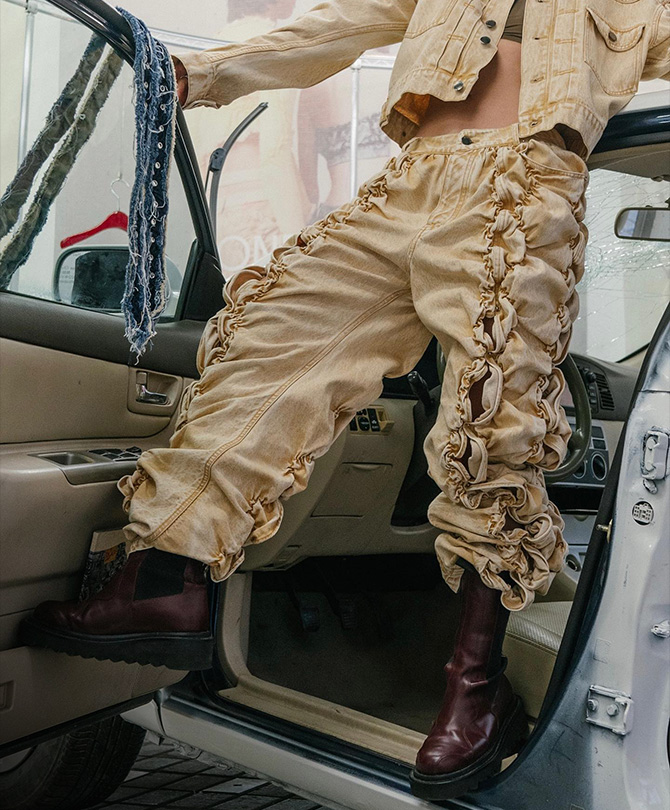
The Vintage Hoodie Dilemma: Should Brands Choose Garment Dye or Piece Dye?
Quick Answer: When deciding between garment dye and piece dye for vintage hoodies, established streetwear brands must weigh visual identity against production consistency. Garment dye delivers the authentic, lived-in texture and unique color variations essential for vintage aesthetics, while piece dye ensures strict color uniformity and structural stability across large bulk runs. The right choice depends on the brand's aesthetic direction, production scale, and how much variation is acceptable in the final product.
Many brand teams find out too late that the perfect vintage wash they approved in the sample room becomes a logistical nightmare during bulk production. The streetwear market has shifted hard in recent years; consumers are no longer satisfied with flat, uniform colors on basic hoodies. They want that specific lived-in feel—the subtle fading around the seams, the slight tonal shift at the chest pocket, the kind of character that makes a hoodie look like it was pulled from a rare thrift store rack. This shift in consumer expectation has forced product developers and sourcing teams to rethink their entire approach to color application. It is no longer just about picking a Pantone swatch. It is about engineering a feeling.
What sounds like a simple sourcing question often turns into a complex debate between creative directors and procurement teams. The choice between garment dye and piece dye is not merely a technical detail—it is a fundamental decision that impacts sample-to-bulk alignment, fabric shrinkage, and the overall visual identity of the collection. As brands scale their operations, understanding the distinct advantages and inherent risks of each dyeing method becomes critical. This article breaks down the realities of both processes, helping streetwear brands make informed manufacturing decisions that align with their product vision and operational maturity.
How Does Garment Dye Actually Create That Vintage Look?
Garment dye involves coloring the hoodie after it has been fully cut and sewn. This process creates natural highs and lows in the color—especially around seams, ribs, and zippers—resulting in the authentic, distressed, and vintage look that modern streetwear consumers demand. No two pieces are identical, which is both the appeal and the production challenge.
When a hoodie is garment dyed, the entire constructed piece is submerged in the dye bath. Because the fabric, thread, and ribbed trims absorb the dye at slightly different rates, the process naturally generates subtle color variations. The dye tends to pool in the heavier areas and wash out slightly along the edges and seams. This is exactly what gives a vintage hoodie its character. For streetwear brands aiming to capture a nostalgic, 90s, or Y2K aesthetic, garment dye is often the non-negotiable starting point.
However, this visual depth comes with significant manufacturing challenges. Garment dyeing subjects the fully sewn hoodie to intense heat and agitation. This means the fabric will experience maximum shrinkage during the dyeing process rather than in the consumer's washing machine. While this guarantees a pre-shrunk fit for the end user, it requires the manufacturer to engineer the initial pattern with precise shrinkage allowances. If the factory does not deeply understand the specific shrinkage rates of heavyweight cotton or French terry, an intended oversized silhouette can easily become distorted or unbalanced after the dye bath.
Furthermore, the very nature of garment dye means that no two hoodies will be exactly identical. While this individuality is a selling point for culture-driven streetwear brands, it can be a serious headache for procurement teams focused on strict quality control. Achieving an acceptable level of alignment across a bulk run of 1,000 pieces requires a highly specialized streetwear garment manufacturer who understands how to control the dye bath variables and manage the inherent unpredictability of the process.
Why Do Some Brands Still Rely on Piece Dye for Complex Collections?
Piece dye involves coloring the fabric rolls before the hoodie is cut and sewn. This method guarantees strict color consistency across the entire production run and maintains the structural integrity of the fabric, making it the safer choice for brands prioritizing uniformity, color-blocked constructions, and complex cut-and-sew builds.
In the piece dye process, the raw fabric is dyed in large batches before any cutting or sewing takes place. This approach offers a level of predictability that garment dye simply cannot match. For established streetwear brands running large-scale production programs, piece dye ensures that the hoodie a customer buys in New York is the exact same shade as the one bought in London. When a collection relies on precise color blocking, matching hoodie-and-sweatpants sets, or intricate paneling, piece dye is often the most reliable route.
Beyond color consistency, piece dye is generally gentler on the fabric's structure. Because the fabric is dyed before construction, the seams and zippers are not subjected to the harsh conditions of a garment dye bath. This makes piece dye particularly suitable for hoodies that feature complex mixed-media decorations, heavy embroidery, or delicate trims that might be damaged or discolored during garment dyeing.
However, the trade-off is clear: a piece-dyed hoodie will look clean, uniform, and brand new straight out of the bag. To achieve a vintage feel on a piece-dyed garment, brands must rely on secondary finishing techniques—enzyme washes, stone washes, or manual distressing. While these secondary processes can add character, they often lack the organic, integrated look of a true garment dye. Sourcing teams must weigh the security of piece dye against the additional costs and steps required to artificially age the garment.
Where Do Factories Usually Struggle with Garment Dyeing?
General apparel factories often fail at garment dyeing because they lack the expertise to calculate accurate shrinkage allowances and manage dye lot variations. Without specialized knowledge of heavyweight fabrics and streetwear silhouettes, the resulting hoodies often suffer from distorted fits, uneven coloring, and compromised stitching.
One of the most common issues brands face when moving from sample to bulk is the loss of fit integrity. A factory might produce a perfect garment-dyed sample, but when they scale up to bulk production, the variations in fabric tension and dye bath temperature can lead to wildly inconsistent sizing. An oversized, boxy fit can quickly turn into a misshapen, unwearable piece if the pattern maker did not accurately account for the aggressive shrinkage that occurs during the garment dye process.
Another major failure point is thread selection. If a factory uses standard polyester thread on a cotton hoodie intended for garment dye, the thread will not absorb the dye, leaving stark, uncolored stitching lines across the garment. While this can sometimes be an intentional design choice, it is usually a costly mistake. A specialized custom streetwear clothing manufacturer understands that garment dyeing requires specific cotton threads or carefully matched poly-core threads to ensure the color takes evenly across the entire piece.
Additionally, the hardware—zippers, eyelets, and drawcord aglets—must be carefully selected to withstand the garment dye process. Cheap hardware can rust, tarnish, or damage the fabric during the intense washing and dyeing cycles. Procurement teams must ensure that their manufacturing partner has the experience to foresee these risks and source the appropriate trims before production begins. A factory that does not ask about hardware compatibility during the tech pack review stage is a factory that has not done this before.
How Should Procurement Teams Evaluate a Manufacturer's Dyeing Capabilities?
Procurement teams should evaluate a manufacturer by reviewing their sample-to-bulk alignment records, their understanding of fabric-specific shrinkage, and their ability to explain the risks of different dyeing methods upfront. A reliable partner will proactively discuss thread compatibility, hardware durability, and color tolerance before production starts—not after problems appear.
When evaluating a potential production partner, brands must look beyond the initial sample. A beautiful sample is relatively easy to produce under controlled conditions; replicating that exact look and feel across thousands of units is the true test of a manufacturer's capability. Procurement teams should ask detailed questions about the factory's quality control processes for dye lots. How do they manage color tolerance? What is their acceptable margin of error for shrinkage? How do they ensure that the ribbed cuffs match the body fabric after a garment dye?
A strong streetwear manufacturing partner will not just say "yes" to every tech pack. They will actively push back and highlight potential risks. If a brand requests a highly distressed, garment-dyed hoodie with delicate rhinestone appliqué, an experienced manufacturer will explain why those processes conflict and suggest a safer, more stable production sequence. This level of proactive communication is what separates a genuine development partner from a factory that just takes orders and hopes for the best.
For brands looking at China-based custom streetwear development, it is crucial to find a partner that specializes in the specific nuances of streetwear production. Some manufacturers, such as , focus specifically on heavyweight fabrics and complex finishing techniques used in modern streetwear collections. Working with a specialized partner ensures that the factory understands the cultural and aesthetic goals of the product, not just the technical specifications on a spec sheet.
Why Does Fabric Weight Change the Dyeing Outcome?
Heavyweight fabrics absorb dye differently than lighter materials, requiring longer processing times and precise temperature control. If a factory treats a 400gsm French terry hoodie the same way as a basic 200gsm fabric, the color will appear uneven, and the fabric's structural integrity may be compromised during the wash cycle.
When streetwear brands specify heavyweight cotton or dense French terry for their vintage hoodies, they are not just changing the feel of the garment; they are fundamentally altering the manufacturing requirements. Heavyweight fabrics are notoriously difficult to dye evenly. The dense weave resists dye penetration, meaning the garment must spend more time in the dye bath and undergo more aggressive agitation to achieve the desired color depth.
This extended processing time increases the risk of fabric damage and excessive shrinkage. A factory accustomed to producing lightweight, basic apparel will often struggle to adapt their standard operating procedures to accommodate these heavier materials. They might try to speed up the process by increasing the temperature, which can lead to harsh, unnatural fading or even weaken the cotton fibers over time.
For a custom apparel manufacturer for streetwear brands, handling heavyweight fabrics is a core competency, not an exception. They understand that achieving a perfect vintage wash on a 400gsm hoodie requires a delicate balance of time, temperature, and chemical agents. They will also anticipate how the heavier fabric will drape and settle after the dyeing process, ensuring that the final silhouette remains true to the designer's original vision.
How Do Secondary Washes Interact with the Initial Dye?
Secondary washes—such as enzyme or stone washing—interact directly with the initial dye to create the final vintage texture. These processes strip away surface color and soften the fabric, but they must be carefully calibrated to avoid destroying the garment's seams or causing unpredictable color shifts that ruin the entire batch.
Achieving the perfect vintage hoodie rarely stops at the initial dye bath. Whether a brand chooses garment dye or piece dye, secondary finishing techniques are often required to add that final layer of character. Enzyme washes use natural proteins to break down the surface fibers of the cotton, resulting in a softer handfeel and a slightly faded appearance. Stone washing involves tumbling the garments with pumice stones to physically abrade the fabric, creating more aggressive distressing around the edges and seams.
However, these secondary washes introduce another layer of complexity to the production process. If a factory applies a harsh stone wash to a hoodie that has already been weakened by an intense garment dye, the seams may burst, or the fabric may tear. Furthermore, the chemicals used in enzyme washes can sometimes react unpredictably with certain dye formulas, causing the color to shift or become muddy in ways that are impossible to reverse.
This is why it is so important for brands to work with a manufacturer who understands the entire finishing sequence before production starts. A specialized streetwear factory will test multiple combinations of dyes and washes on sample yardage before committing to a bulk run. They will document the exact formulas and processing times required to achieve the desired effect, ensuring that the final product is both visually striking and structurally sound.
What Are the Hidden Costs of Vintage Hoodie Production?
The true cost of vintage hoodie production extends beyond the initial factory quote. Brands must account for higher defect rates, increased sampling costs, and the potential for delayed launches due to the unpredictable nature of garment dyeing and complex finishing techniques. Cheap quotes rarely reflect the full picture.
When sourcing teams compare quotes from different manufacturers, they often focus solely on the unit price. However, this approach can be dangerously misleading when dealing with complex streetwear products. A factory that offers a significantly lower price for a garment-dyed hoodie is likely cutting corners somewhere—whether it is by using cheaper dyes, skipping crucial testing phases, or accepting a wider margin of error for shrinkage and color alignment.
The hidden costs of vintage hoodie production usually manifest during the bulk phase. If a factory fails to control the dye lots, a brand may be forced to reject a significant portion of the order, leading to lost revenue, delayed launches, and damaged customer relationships. Furthermore, the iterative nature of developing a custom vintage wash often requires multiple rounds of sampling, which can quickly eat into a brand's development budget.
To mitigate these risks, established streetwear brands prioritize value over the lowest possible price. They understand that paying a slight premium for a reliable, experienced manufacturing partner is an investment in their brand's reputation. By working with a factory that proactively manages the complexities of garment dyeing and secondary washes, brands can avoid the costly delays and quality issues that plague less experienced operations. A useful reference for brands evaluating their options is this industry roundup of , which covers what to look for when comparing factories that specialize in complex, technique-intensive streetwear categories.
How Can Brands Protect Quality from Sample to Bulk?
Protecting quality from sample to bulk requires a comprehensive tech pack, clear communication of acceptable tolerances, and a manufacturer with robust quality control systems. Brands must demand pre-production samples that use the exact bulk fabric and dye formulas to verify that the factory can replicate the approved aesthetic at scale—not just in a controlled sample environment.
The transition from sample to bulk is the most critical phase of the manufacturing process. A sample is essentially a prototype, created under highly controlled conditions by the factory's most skilled workers. Bulk production, on the other hand, involves managing hundreds or thousands of variables simultaneously across an entire production floor. To ensure that the final hoodies match the approved sample, brands must establish clear, objective standards for quality control before the first cut is made.
This begins with a detailed tech pack that leaves no room for interpretation. The tech pack should specify not only the desired color and wash effect but also the acceptable range of variation. For example, a brand might specify that the color of a garment-dyed hoodie can vary by no more than a defined tolerance from the approved standard, and that any pieces falling outside that range must be flagged before packing. By establishing these parameters upfront, brands can hold their manufacturing partners accountable for the final results.
Furthermore, brands should always require a pre-production (PP) sample before authorizing the bulk run. The PP sample must be created using the exact fabric, trims, and dye formulas that will be used in production. This serves as a final checkpoint to ensure that the factory has successfully translated the design intent into a scalable manufacturing process. If the PP sample fails to meet the brand's standards, the production run must be paused until the issues are resolved—no exceptions.
Conclusion: What the Next Phase of Vintage Streetwear Production Looks Like
The streetwear market is not slowing down on its demand for authentic, texture-rich products. If anything, the bar is getting higher. Consumers can tell the difference between a hoodie that was genuinely developed with intention and one that was rushed through a generic factory. That gap in perception is created entirely at the manufacturing level.
For brands that are serious about building a long-term identity around vintage aesthetics, the choice between garment dye and piece dye is not a one-time decision—it is an ongoing conversation with a manufacturing partner who understands the stakes. The factories that will matter most in the next phase of premium streetwear production are not the ones with the lowest quotes. They are the ones that ask the right questions, flag the real risks early, and have the technical depth to deliver a product that looks exactly like the vision, batch after batch.
Whether a brand chooses garment dye for its raw, organic character or piece dye for its structural reliability, the outcome will always depend on the quality of the manufacturing relationship behind it. That is the part of the equation that no tech pack can fully capture on its own.
This article is intended for streetwear brand teams, product developers, and sourcing professionals evaluating dyeing methods and manufacturing partners for vintage-style hoodie production.
How do I compare screen print, DTG, embroidery, and wash effects for streetwear products?
When you look at a graphic tee or a heavily distressed hoodie on a rack, the visual impact seems straightforward. However, the true difficulty in streetwear manufacturing lies not in achieving the look on a single sample, but in controlling the consistency across thousands of units. Many product development teams focus heavily on the design concept but underestimate the technical friction between pattern development, fabric sourcing, and complex finishing techniques.
For established streetwear brands and fashion labels with real traction, understanding the difference between screen print, Direct-to-Garment (DTG), embroidery, and various wash effects is not just about aesthetics—it is about managing sample-to-bulk mismatch, controlling shrinkage, and ensuring batch-level consistency. A design that looks perfect on paper can easily fail in bulk production if the chosen technique does not align with the fabric weight, hand feel, and sewing tolerance. This article breaks down the technical realities of these core streetwear production techniques, offering a deep dive into the supply chain reality that separates premium streetwear production from basic apparel manufacturing.
Why is it difficult to maintain consistency with screen printing in bulk production?
Screen printing requires precise control over ink viscosity, curing temperature, and mesh tension. In bulk production, slight variations in these factors can lead to cracking, color shifting, or heavy hand feel, especially on heavyweight fabrics. Procurement teams must verify the factory's curing process and ink formulation before approving the pre-production sample.
Screen printing remains the foundational technique for streetwear graphics, offering vibrant colors and excellent durability when executed correctly. However, the technical challenge lies in the interaction between the ink and the fabric. When working with a 300gsm or 400gsm heavyweight hoodie, standard plastisol inks can sit too heavily on the surface, creating a stiff, uncomfortable patch that disrupts the garment's drape. This stiffness not only affects the comfort of the wearer but also alters how the garment falls, potentially ruining an oversized or boxy fit.
For premium streetwear production, manufacturers often need to adjust the ink composition, using water-based inks or discharge printing to achieve a softer hand feel that integrates seamlessly with the fabric. This requires rigorous print testing during the sampling phase. If the curing temperature is too low, the print will wash out after a few laundry cycles; if it is too high, the fabric may scorch or the ink may crack prematurely. Sourcing teams must ensure that the specialized streetwear factory has standardized procedures for testing print durability against repeated washing before moving into bulk cutting and sewing.
Furthermore, registration—the precise alignment of multiple color screens—becomes a massive risk factor in bulk runs. A four-color graphic might look flawless on the initial sample, but if the production line lacks strict quality control, a one-millimeter shift during the printing of the 500th unit will result in a blurred, defective image. Procurement teams evaluating an OEM streetwear manufacturer must ask about their acceptable defect rate for print registration and how they calibrate their automated presses during long runs.
How does DTG printing compare to screen printing for complex streetwear graphics?
DTG (Direct-to-Garment) excels at reproducing highly detailed, multi-color, or photorealistic graphics that are difficult for screen printing. However, DTG requires strict fabric pre-treatment and specific cotton compositions to prevent the ink from fading or bleeding during bulk manufacturing.
While screen printing is ideal for solid colors and bold graphics, DTG is the preferred choice for intricate designs, gradients, and photographic images. The core issue with DTG in a streetwear context is its strict dependency on fabric composition. DTG inks bind best to 100% premium cotton. If a brand uses a blended fabric or a low-quality cotton with a high level of impurities, the print can look muted, blurry, or wash out quickly. The chemical bond between the water-based DTG ink and the cotton fibers must be perfect to achieve the high-fidelity look that modern streetwear consumers expect.
The pre-treatment process is another critical failure point. Before a garment can be DTG printed, it must be sprayed with a pre-treatment solution that allows the white underbase ink to sit on top of the fabric rather than soaking in. In bulk production, uneven pre-treatment application can leave visible, stiff stains on the fabric or cause the print to peel off entirely. When evaluating a streetwear clothing manufacturer for DTG capabilities, product teams must review the pre-production sample (PPS) specifically for pre-treatment residue and color fastness.
DTG also tends to have a softer hand feel compared to heavy plastisol screen prints, making it suitable for oversized graphic tees where the drape of the fabric must remain fluid. However, because DTG is essentially printing directly onto the fibers, the texture of the fabric will show through the print. If a brand is using a slub cotton or a heavily textured French Terry, the DTG print will adopt that texture, which may or may not be the desired effect. Design teams must understand this interaction and adjust their tech packs accordingly.
What are the hidden technical risks of embroidery in heavyweight streetwear?
Embroidery adds structural tension to the fabric. On heavyweight fleece or French Terry, dense embroidery can cause puckering, distort the silhouette, and create discomfort. Proper backing, tension control, and needle selection are essential to maintain the garment's intended fit.
Embroidery is often perceived as a premium detail, elevating the perceived value of a hoodie, varsity jacket, or heavy cotton t-shirt. However, it introduces significant mechanical stress to the garment. When a design requires tens of thousands of stitches—such as a large back logo, intricate appliqué, or heavy chenille patches—the fabric underneath is pulled tightly in multiple directions. If the streetwear apparel manufacturer does not use the correct stabilizer or backing material, the fabric will pucker, ruining the oversized or boxy fit that is crucial to modern streetwear aesthetics.
Furthermore, the placement of embroidery must be calculated during pattern development, not just as an afterthought. For instance, embroidering across a seam, over a pocket, or near a zipper requires precise sewing tolerance and alignment. If the sample-to-bulk alignment is off by even a few millimeters, the entire batch can look defective, with logos sitting crooked or zippers buckling under the tension of the thread.
Procurement teams should always check the interior of the embroidered area on the PPS to ensure the backing is clean, properly trimmed, and does not compromise the fabric's hand feel. A scratchy, stiff backing can make a premium heavyweight hoodie unwearable. Additionally, thread tension must be monitored constantly during bulk production. If the tension is too tight, the fabric will bunch; if it is too loose, the embroidery will look sloppy and unravel over time. A reliable production partner will have dedicated quality control stations just for checking embroidery tension and registration before the garment moves to final finishing.
How do wash effects impact the structural integrity and sizing of a garment?
Wash techniques like acid wash, stone wash, and enzyme wash chemically and physically alter the fabric. These processes cause unpredictable shrinkage and weaken the fibers. Pattern development must account for post-wash shrinkage to ensure the final bulk production matches the intended sizing.
Wash effects are central to the vintage, distressed, and Y2K trends dominating streetwear today. However, achieving a consistent acid wash, pigment dye, or vintage fade across a bulk order is notoriously difficult. These are not just surface treatments; they are aggressive physical and chemical processes that fundamentally break down the fabric's structure.
When a brand requests a heavy stone wash on a 260gsm t-shirt or a 400gsm French Terry hoodie, the factory must anticipate exactly how much the fabric will shrink and how the hand feel will change. If the pattern development does not include an accurate, mathematically calculated shrinkage allowance, an oversized fit can easily become a standard or even tight fit after washing. Moreover, the intensity of the wash can vary wildly from batch to batch depending on the water temperature, the specific chemical concentration, and the duration of the wash cycle.
A reliable will conduct extensive wash testing during the sampling phase to establish a strict baseline formula. Without this rigid control, brands risk receiving a bulk delivery where half the garments look drastically different from the approved sample—some may be too light, others too dark, and some may have suffered severe fabric degradation, leading to holes or tearing at the seams. Procurement teams must demand transparency regarding the factory's wash formulas and their acceptable variance limits. They should also require wash test reports that detail the dimensional stability of the garment after the wash process is complete.
Why is it crucial to align printing and washing techniques before bulk cutting?
Applying prints before or after aggressive wash treatments drastically changes the final result. Printing before an acid wash creates a distressed, vintage graphic, but risks destroying the ink. Printing after the wash ensures a clean graphic but requires a stable fabric surface.
The sequence of operations is a major technical hurdle when combining complex streetwear techniques. For example, if a brand wants a cracked print effect on a vintage-washed hoodie, the product development team must decide the exact order of operations. If the garment is screen printed and then subjected to a heavy enzyme wash, the chemicals and physical abrasion will naturally distress the print. However, if the ink is not specifically formulated to withstand the wash, it may peel off entirely or bleed into the surrounding fabric, creating a muddy mess rather than an aesthetic vintage crack.
Conversely, printing on a garment that has already been washed presents its own set of challenges. The fabric surface may be uneven, slightly puckered, or covered in micro-abrasions from the wash process. This makes it incredibly difficult for DTG or fine-detail screen print inks to adhere smoothly and evenly. The ink may skip over the high points of the distressed fabric, leading to an inconsistent graphic.
This is why a specialized streetwear factory will insist on running full-scale tests of the combined techniques before finalizing the tech pack or moving into bulk cutting. For brands looking for a reference point for specialized , companies like emphasize the importance of resolving these sequence-of-operation conflicts during the pre-production phase. By testing the exact sequence—cut, sew, wash, print vs. cut, print, sew, wash—they can prevent catastrophic batch-level variations and ensure the final product matches the designer's original intent without compromising structural integrity.
What are the common failure points in distressed and vintage-finished streetwear?
Distressing techniques, such as grinding, hand-sanding, and raw edges, must be executed with precision to avoid structural failure. If distressing is applied too heavily near critical seams, the garment will fall apart during normal wear, leading to high return rates for the brand.
Beyond chemical washes, physical distressing is a hallmark of many premium streetwear collections. Destroyed hems, bullet holes, and heavily sanded collars require a delicate balance between aesthetic destruction and structural durability. The most common failure point in bulk production is inconsistency in the manual distressing process. Because distressing is often done by hand using Dremel tools or sanding blocks, no two garments will look exactly identical. However, the variance must be controlled within a strict tolerance.
If a worker applies too much pressure near the neckline or armhole seams, the structural integrity of the garment is compromised. What looks like a cool, vintage fray on the rack can quickly turn into a massive hole after the consumer washes the garment once. Product development teams must define "no-distress zones" in their tech packs—specific areas around load-bearing seams where distressing is strictly prohibited.
Furthermore, raw edge garments require specific sewing techniques to prevent uncontrolled unravelling. A simple cut edge will fray endlessly; a will use stay-stitching or specific binding techniques just above the raw edge to stop the fraying at a predetermined point. Sourcing teams must inspect these details closely on the pre-production sample to ensure the garment will survive real-world wear and washing.
How should procurement teams evaluate a factory's capability for complex streetwear?
Procurement teams must look beyond the initial sample and assess the factory's systems for quality control, shrinkage management, and batch consistency. A capable partner will provide transparent data on fabric testing, print durability, and wash formulas.
When established streetwear brands move from testing concepts to scaling production, the criteria for choosing a manufacturing partner must shift fundamentally. It is no longer just about whether the factory can make one perfect sample for a lookbook, but whether they have the operational systems, machinery, and management discipline to replicate that sample thousands of times without deviation.
A rigorous tech pack review is the first indicator of a factory's competence. If the manufacturer does not ask questions about shrinkage tolerance for an acid wash, the specific backing required for a heavy embroidery design, or the ink formulation for a heavyweight screen print, it is a massive red flag. Procurement and sourcing teams should demand to see the factory's protocols for handling sample-to-bulk mismatch. This includes their procedures for pre-production approval, bulk cutting precision, and final inspection standards.
They should also inquire about the factory's in-house testing capabilities. Do they perform wash tests, rub tests, and stretch tests on the fabric before cutting? Do they have standardized lighting in their quality control department to check for color shifting in dyed or washed garments? Ultimately, the goal is to build a long-term relationship with an apparel manufacturer for streetwear brands that understands the technical nuances of premium fabric, complex finishes, and exact silhouettes. The right partner acts as an extension of the brand's product development team, identifying potential production risks before they become costly bulk manufacturing disasters.
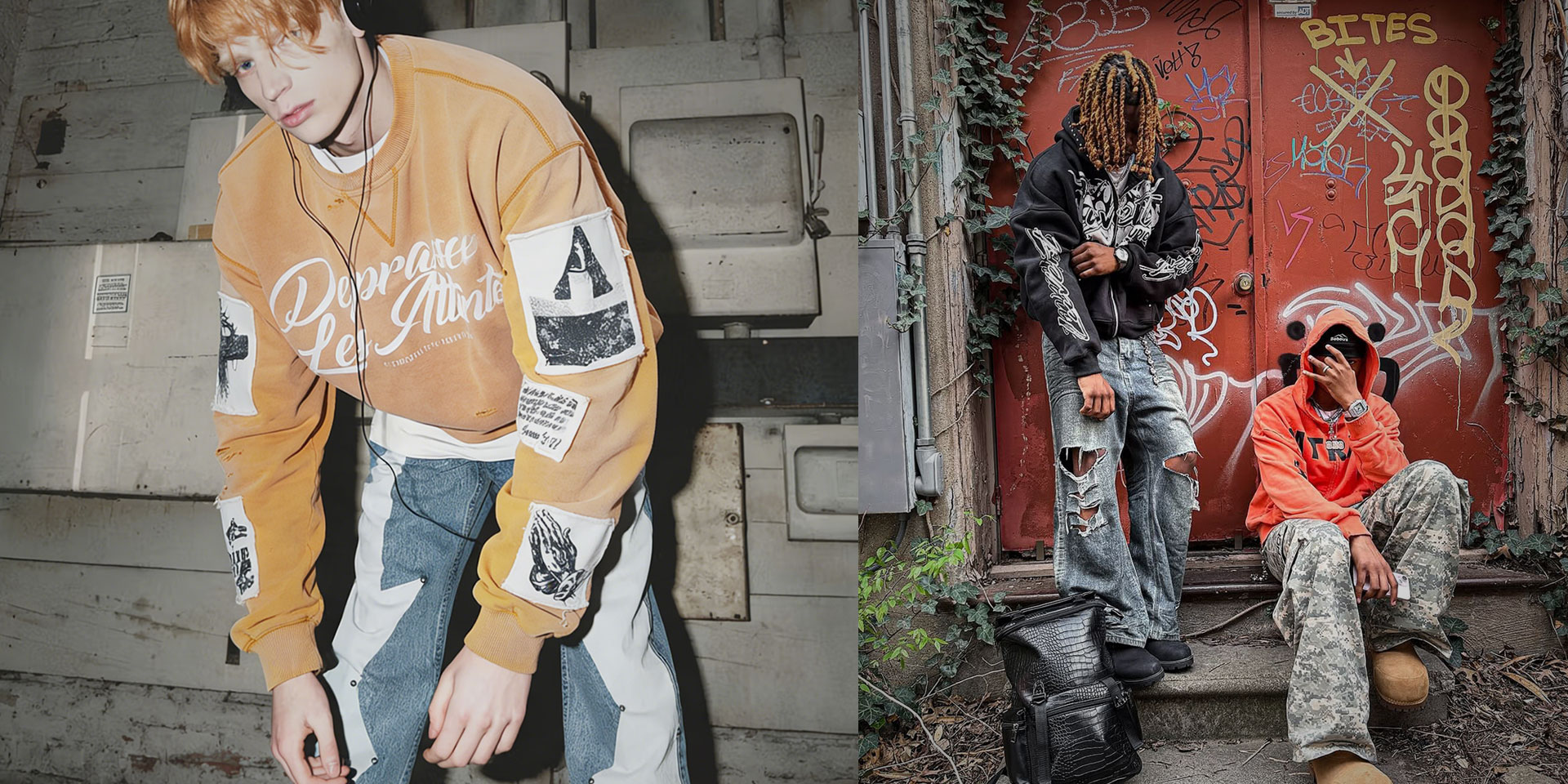 Groovecolor premium streetwear manufacturers OEM streetwear manufacturer custom streetwear manufacturer Groovecolor premium streetwear manufacturer